|


14 DAY FREE TRIAL
Try Before you buy

HAND QUALITY
Durable Leathers


HAND DESIGNED
By Horse Owners

INTERCHANGEABLE
Unique Gullet System
14 DAY FREE TRIAL
Try Before you buy
HAND QUALITY
Durable Leathers
HAND DESIGNED
By Horse Owners
UNIQUE INTERCHANGEABLE
Gullet System
How to Keep Your Horse Comfortable When Temperatures Drop
5
Dec
 Image Credit: @appyelf
How to Keep Your Horse Comfortable When Temperatures Drop
When the crisp air of autumn turns to frosty mornings and icy paddocks, many owners begin to worry about winter horse care. Keeping your horse warm, dry, and comfortable through the colder months isn’t just about adding extra rugs — it’s about creating the right balance of protection, movement, and nutrition to support their health and happiness.
At Cavaletti Collection, we know how important it is to prepare early and thoughtfully. With a few practical steps, you can ensure your horse stays cosy and content all winter long.
1. Understanding the Basics of Winter Horse Care
Every horse is different — some grow thick, fluffy coats and thrive outdoors, while others shiver at the first hint of frost. Winter horse care starts with assessing your horse’s individual needs.
Older horses, clipped horses, and those in heavy work usually require more support to maintain body heat. Pay attention to body condition and coat type; a little extra weight before winter isn’t a bad thing, as it helps with winter horse comfort.
Hydration also matters more than you might expect. Horses tend to drink less when water is cold, so providing access to slightly warmed water can encourage drinking and help prevent dehydration and impaction colic — both common winter risks for horses in winter.
2. Rugging Wisely for Comfort and Warmth
Rugging is often where owners overcompensate. While it’s tempting to layer up, the key to horse warmth riding cold weather is finding the right level of insulation without overheating.
Use breathable rugs that wick away moisture — these are essential if your horse comes in sweaty after work. Always check under rugs daily for rubbing, tight straps, or trapped moisture. Over-rugging can cause as much discomfort as under-rugging.
When turning your horse out, waterproof turnout rugs are a must, particularly during freezing rain or sleet. Horses generate heat through digestion and movement, so ensuring they can still move freely helps maintain their winter horse comfort.
3. Tack Fit and Saddle Maintenance in Cold Weather
Cold weather can change how your tack fits. Leather can stiffen, wool padding can compress, and your horse’s topline may alter as their workload and condition shift. Ill-fitting tack in winter can lead to pressure points, soreness, and resistance under saddle.
Regularly checking and cleaning your saddle and bridle will make a big difference. Our detailed guide on maintaining your saddle in cold, damp weather explains how temperature changes can affect leather and what you can do to preserve flexibility and comfort.
For an extra layer of protection, consider using soft, breathable saddle pads that provide cushioning and prevent cold shock when first tacking up. The right accessories — like numnahs, pads, or even fleece girth covers — can improve horse warmth riding cold weather sessions, helping your horse settle happily into work even on frosty mornings.
You can explore a range of practical additions for cold-weather riding on our Accessories page, where you’ll find items designed to enhance comfort and fit through all seasons.
4. Feeding and Nutrition for Winter Horse Comfort
Nutrition plays a vital role in winter horse care. When temperatures drop, your horse uses more energy to stay warm, meaning forage should form the foundation of their diet. Good-quality hay helps keep the digestive system active — the fermentation process naturally generates heat, making it one of the best sources of horse warmth riding cold weather.
Supplementing with oil or higher-fibre feeds can help maintain condition without adding excessive grain. Always introduce dietary changes gradually, and monitor weight using a weigh tape or body condition scoring.
Salt and minerals are often overlooked in winter. Even if your horse isn’t sweating, they still need electrolytes for hydration balance. Providing a salt lick or adding loose salt to feed helps encourage drinking and supports general wellbeing for horses in winter.
5. Keeping Your Horse Active in Cold Weather
Exercise remains crucial in maintaining winter horse comfort and preventing stiffness. Try to ride or hand-walk daily, especially for stabled horses. Warm up slowly and allow plenty of time for cool-down periods to avoid muscle strain or chills.
When riding in cold weather, use quarter sheets or exercise rugs to help maintain warmth over the back and hindquarters. If your horse is clipped, a breathable cooler rug after exercise will wick away sweat while preventing chills.
Remember that footing can be unpredictable in icy or muddy conditions. Always assess paddocks and arenas before turning out or working — your horse’s safety and comfort in winter depend on secure footing and proper management.
Image credit: harrys_newchapter
6. Stable and Shelter Considerations
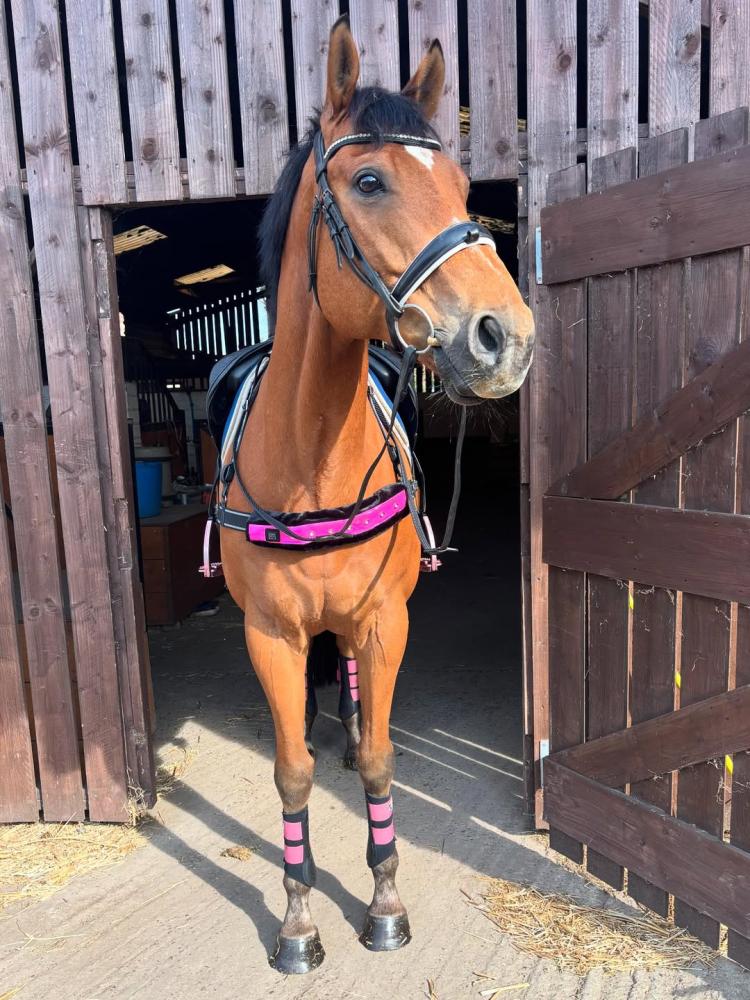 Good shelter is non-negotiable for horses in winter. Whether your horse is stabled or turned out 24/7, protection from wind and driving rain is key. Outdoor horses benefit from a well-constructed field shelter positioned away from prevailing winds, with dry footing and ample space to lie down.
Inside the stable, focus on dryness and ventilation. Damp bedding or poor airflow can lead to respiratory issues, so check regularly for condensation and replace wet patches daily. Adding rubber matting beneath bedding helps retain warmth and improves winter horse comfort.
Lighting also affects mood and metabolism — keep stables well-lit during darker months to support a healthy routine.
Image Credit: harrys_newchapter
7. The Cavaletti Approach: Care, Craftsmanship, and Comfort
At Cavaletti Collection, we’re passionate about helping riders and horses thrive through every season. From our thoughtfully designed bridles and pads to our high-quality leatherwork, everything we create supports winter horse care through durability, function, and comfort.
We design products that reflect the realities of the British winter — long, wet, and often muddy — while maintaining the polished, elegant look you love. Because keeping your horse happy and comfortable in the cold shouldn’t mean compromising on style.
Final Thoughts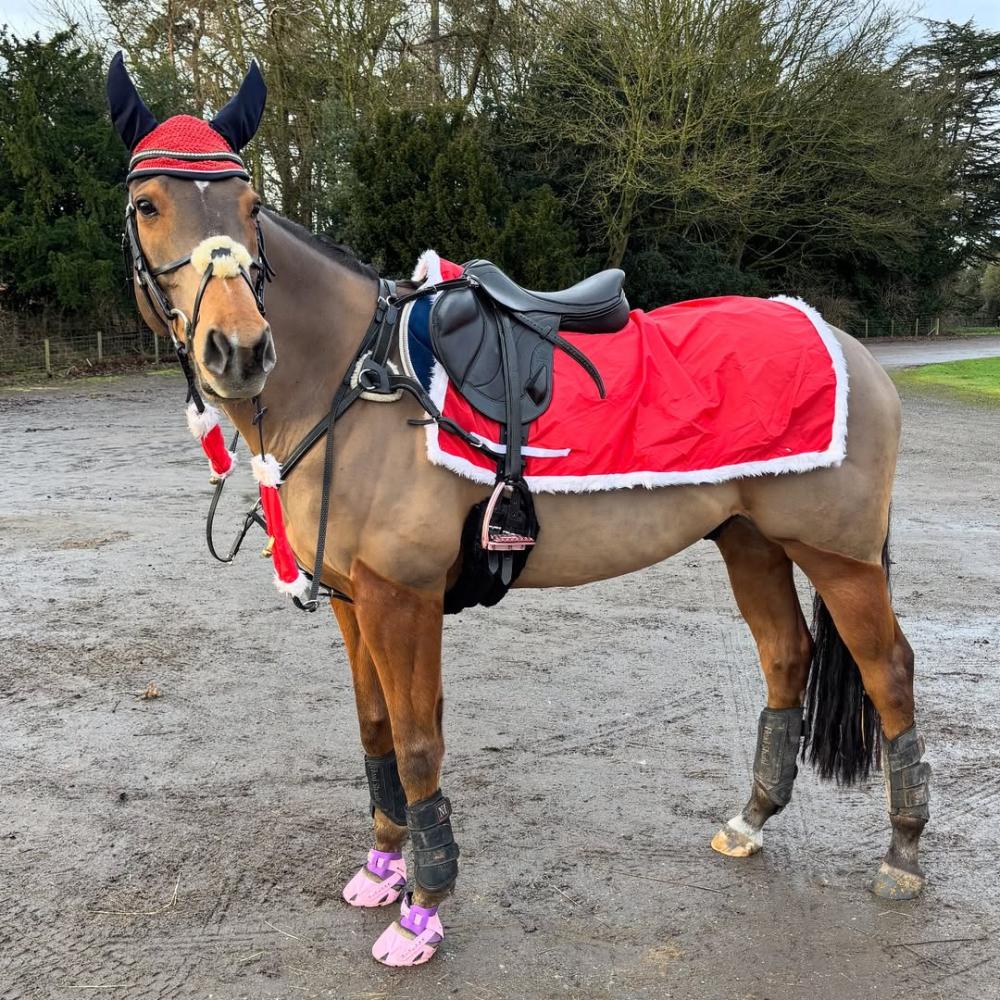
Winter horse care doesn’t need to be complicated. With the right routine, nutrition, tack, and thoughtful layering, you can help your horse stay warm, supple, and stress-free all season long.
As you prepare for shorter days and frost-tipped mornings, remember: a little planning now ensures a comfortable, healthy, and enjoyable winter for both you and your horse.
From all of us at Cavaletti Collection, here’s to keeping every ride warm, comfortable, and full of joy — no matter how cold it gets.
Image Credit: @harrys_newchapter
Recent Posts
-
Weighted stirrups: do they actually help your position?
 September 4, 2026
 -
When to Replace Your Stirrup Leathers: The Warning Signs
 August 31, 2026
 -
Black vs Brown Reins: Does Matching Your Bridle Actually Matter?
 August 28, 2026
 -
How to Choose the Right Safety Stirrups for Jumping
 August 24, 2026
 -
Stirrups, Reins and Stirrup Leathers: Getting Your Leatherwork Right
 August 19, 2026