|


14 DAY FREE TRIAL
Try Before you buy

HAND QUALITY
Durable Leathers


HAND DESIGNED
By Horse Owners

INTERCHANGEABLE
Unique Gullet System
14 DAY FREE TRIAL
Try Before you buy
HAND QUALITY
Durable Leathers
HAND DESIGNED
By Horse Owners
UNIQUE INTERCHANGEABLE
Gullet System
Poor Saddle Fit: From Girth Rubs to Hollow Backs – What to Watch For
23
Jan
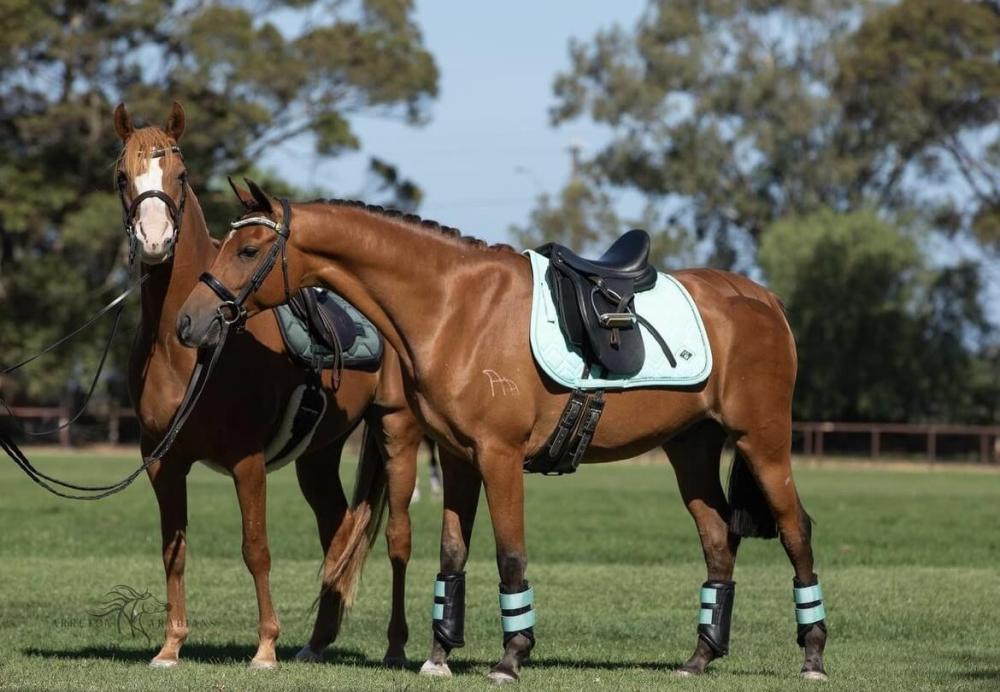 Image Credit: @naughtygreypony
Poor Saddle Fit: From Girth Rubs to Hollow Backs – What to Watch For
Table of Contents
- The quiet signs we miss at first
- Girth rubs and sore spots: when “normal” isn’t normal
- Hollow backs and tense strides: the horse that stops swinging
- Behaviour changes: the “naughty” label that’s often unfair
- Why Does Saddle Fit Change?
- A simple at-home check you can do today
- The kindest next step: try before you buy
The quiet signs we miss at first
There’s a moment many of us can picture: you tack up, you’re ready for a lovely ride, and your horse… just doesn’t feel like themselves. Maybe they’re a touch “cold-backed.” Maybe the walk is short for the first ten minutes. Maybe they pin an ear when you do the girth.
It’s easy to blame the weather, the season, the arena surface, or a grumpy mood. But sometimes the real culprit is poor saddle fit—the kind that doesn’t shout straight away, but whispers through tiny changes that build over weeks.
The kindest horse owners are rarely the ones who never get it wrong. They’re the ones who notice, pause, and choose to listen.
If you’re currently browsing poor saddle fit solutions in quality saddles, this guide will help you spot what matters most—before small discomfort turns into a bigger problem.
Girth rubs and sore spots: when “normal” isn’t normal
A girth rub can look harmless. A small bald patch. A little heat. A scuffed area that you promise you’ll pad “next time.”
But rubs are often your horse’s way of saying: “Something is moving, pinching, or pressing.” And it’s not always the girth’s fault.
What girth rubs can be telling you
- The saddle is shifting forward and pulling the girth into the elbow
- The panels are bridging, so pressure concentrates at the front and back
- The saddle is slipping side-to-side, creating friction with every step
- The girth is being over-tightened to compensate for instability
A properly fitted saddle should sit quietly. It shouldn’t need you to crank the girth tighter just to keep everything in place.
A small act of kindness
After every ride, run your hand gently along the girth line and behind the elbow. Feel for heat, swelling, tenderness, or raised hair. It takes 20 seconds—and it’s one of the simplest ways to catch early discomfort.
Hollow backs and tense strides: the horse that stops swinging
A hollow back isn’t always dramatic. Sometimes it’s simply the feeling that your horse has become harder to sit on. The trot loses its softness. The canter loses its jump. The back stops lifting to meet you.
This can be one of the most telling red flags of poor saddle fit, because the horse is protecting themselves. They brace. They tighten. They avoid using the muscles that would normally carry you comfortably.
What you might notice
- A shorter stride, especially in trot
- Rushing downhill, resisting transitions
- Difficulty bending evenly left vs right
- A “stiff” feeling through the ribcage
- A back that drops away when you mount
A properly fitted saddle supports the back’s movement instead of blocking it—so the horse feels free to lift and swing.
A gentle check
Stand your horse square. Look along the spine from wither to croup. Any new dips, asymmetry, or muscle loss behind the shoulder can be a clue that pressure has been building over time.
Behaviour changes: the “naughty” label that’s often unfair
Some of the hardest saddle-fit moments are emotional, because they can feel like a confidence wobble—for you and your horse.
If your horse starts:
- swishing their tail every ride
- biting at the girth
- scooting when you mount
- refusing jumps they used to love
- feeling “spooky” or sharp for no clear reason
…it’s worth treating it as information, not attitude.
This is especially true with poorly fitted saddles, because discomfort can make a horse feel trapped. A horse that can’t get away from pressure will often try to communicate through tension.
A properly fitted saddle doesn’t just protect the back—it protects your partnership, because comfort builds trust.
Why Does Saddle Fit Change?
This question comes up all the time, and for good reason: your saddle might have felt fine last month, and suddenly things feel off.
Here are the most common reasons Why Does Saddle Fit Change? even when you haven’t changed anything on purpose:
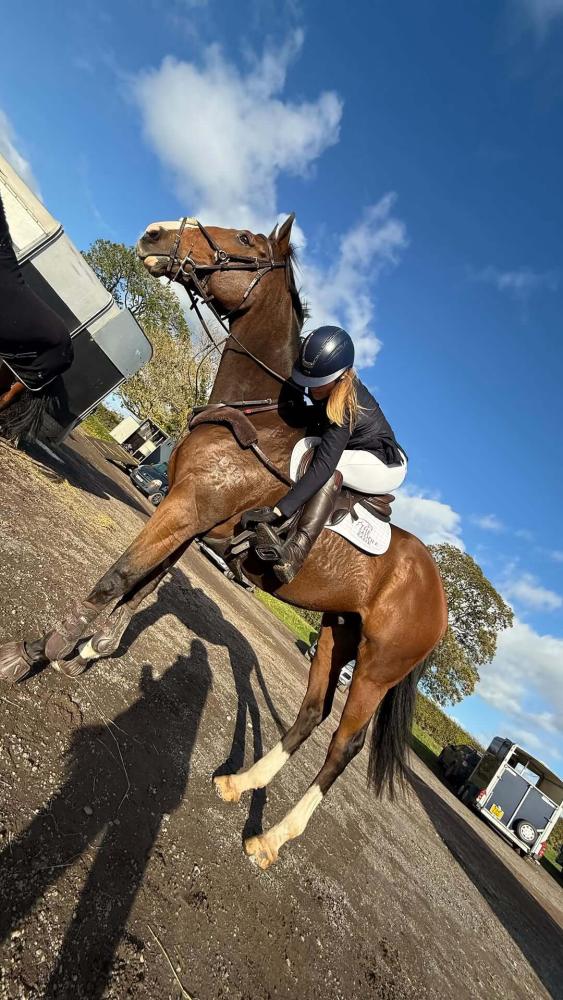
1) Your horse’s shape changes (more than you think)
- Seasonal weight shifts (winter fluff is real)
- Fitness gains or losses
- A change in workload or schooling focus
- Time off due to weather or life
Even subtle changes through the shoulder and topline can turn a decent fit into poorly fitted saddles territory surprisingly quickly.
2) Flocking and materials settle
Wool flocking compresses. Leather softens. Girth straps stretch. A saddle that was balanced can start to tip, rock, or bridge.
This is another reason Why Does Saddle Fit Change?—the saddle evolves with use, but your horse also evolves with life.
3) Your pads and girths change the picture
A thicker pad to “fix” slipping can actually increase pressure and reduce clearance. A different girth can alter stability. Small tack changes can make a big difference.
If you’ve been wondering Why Does Saddle Fit Change?, it’s often a mix of tiny factors stacking up.
Image Credit: @eventing_zeb
A simple at-home check you can do today
This won’t replace a professional assessment, but it can help you decide whether to investigate further
Do this in 3 minutes
- Place the saddle on without pads. Don’t force it into position—let it settle naturally.
- Check the balance. Does it look level, or is it tipping forward/back?
- Look at the clearance. Wither clearance should remain when you girth up and sit in it (check safely).
- Run your hand under the panels. Feel for tight spots, bridging (a gap in the middle), or uneven pressure.
- Watch it in motion. If possible, have someone walk/trot the horse while you watch from behind and the side. Does it shift, bounce, or slide?
If any of this feels questionable, it doesn’t mean you’ve failed. It means you’re paying attention—exactly what responsible ownership looks like.
And if you’re currently riding in one of your poorly fitted saddles “just until you sort it,” consider this your gentle nudge to bring the timeline forward.
The kindest next step: try before you buy
If you’re unsure whether your current saddle is the right match, the easiest confidence boost is trying another option without pressure.
Cavaletti’s approach is designed to make this feel simple and supportive: start with the main guide, then follow the steps to arrange your trial.
- Read and bookmark: How to Book a FREE Saddle Trial for 14 Days
- Go straight to the Trial Page
- Browse Cavaletti Saddles if you already have an idea of what you need.
A trial is more than convenience—it’s a small act of kindness. It gives your horse a chance to tell you what feels good, and it gives you a chance to ride with that “ahh, this is better” feeling instead of second-guessing every step.
If you’ve been worried about poor saddle fit, a trial can be the quickest way to replace worry with clarity.
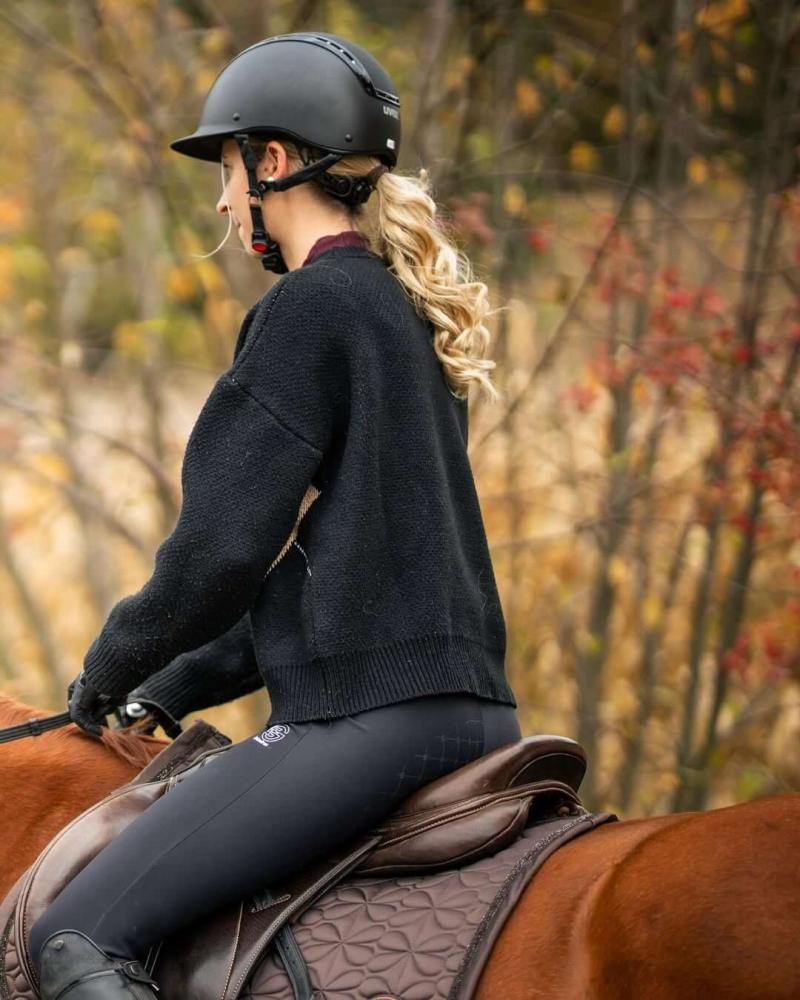
Image Credit: @vcresch
A final note for thoughtful riders
Horses don’t get to choose their tack. We choose it for them. That’s a big responsibility—but it’s also a beautiful opportunity to care well.
The best horse people don’t push through discomfort because “it’ll do.” They notice the small signs and make small changes early—before rubs become sores, and tension becomes a habit.
If you’re ready to start exploring options, begin here: poor saddle fit help starts with the right saddle choice. And if you’d rather feel confident before committing, the 14-day trial is there for you.
Ready to buy, or want to try first?
Book your FREE 14-day saddle trial.
Recent Posts
-
Weighted stirrups: do they actually help your position?
 September 4, 2026
 -
When to Replace Your Stirrup Leathers: The Warning Signs
 August 31, 2026
 -
Black vs Brown Reins: Does Matching Your Bridle Actually Matter?
 August 28, 2026
 -
How to Choose the Right Safety Stirrups for Jumping
 August 24, 2026
 -
Stirrups, Reins and Stirrup Leathers: Getting Your Leatherwork Right
 August 19, 2026