


How to Fit a Flash Noseband: The Welfare Checklist
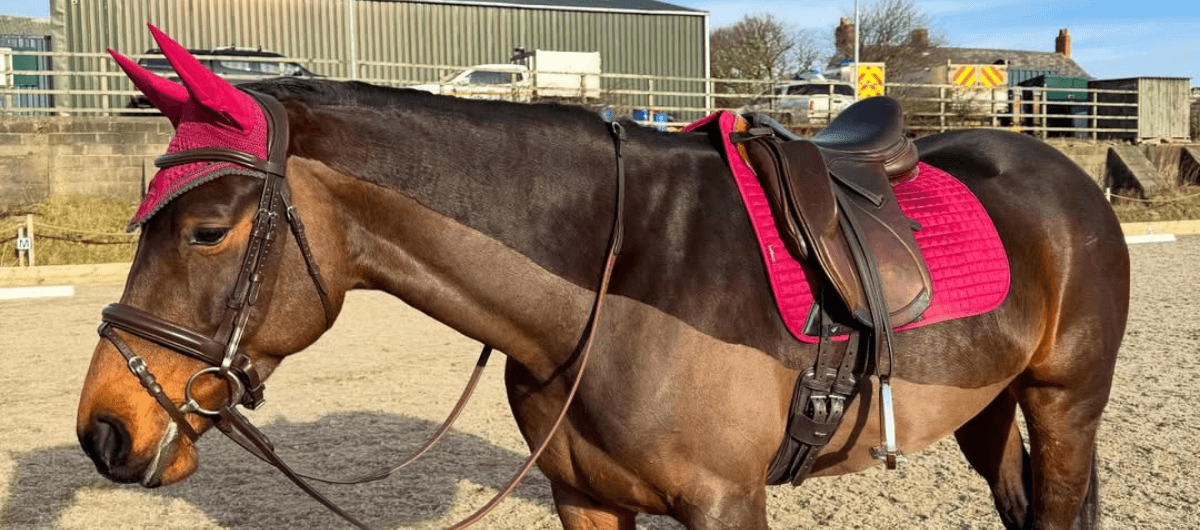
How to Fit a Flash Noseband: The Welfare Checklist
Table of Contents
- What is a flash noseband and how is it different?
- The welfare case for getting it right
- Step-by-step: how to fit a flash nose band correctly
- The welfare checklist: six things to check every time
- Common fitting mistakes and how to avoid them
- When to consider a different noseband style
You tack up the same way you always do. Bridle on, flash done up, ready to ride. But when did you last really check whether the flash nose band is sitting correctly? Not just neatly, but correctly — in a way that leaves your horse comfortable and free to work through their mouth.
It is one of those things that slips into routine. You know roughly where it should be, but the fine detail gets a bit hazy. And because horses rarely make a fuss until something is genuinely uncomfortable, a slightly too-tight or badly positioned flash noseband can go unnoticed for weeks.
This checklist walks through how to fit a flash noseband properly, what to look for, and the quiet signs that something might need adjusting.
What is a flash noseband and how is it different?
A flash noseband is a cavesson noseband with an additional strap that fastens below the bit. The upper cavesson sits across the nose in the usual position, while the lower flash strap crosses the front of the face and buckles below the chin groove.
It is a popular choice across flash bridles used in dressage and jumping, primarily because it allows a martingale or standing martingale attachment to be used at the same time as keeping the mouth closed. It also suits horses who tend to cross their jaw or open their mouth against the contact.
Used well, it can be a practical and welfare-appropriate choice. Fitted badly, it restricts jaw movement and creates pressure in the wrong places.
The welfare case for getting it right
Noseband fit is a welfare issue, not just a presentation one. Research into equine facial pain and pressure has pushed the topic into sharp focus over the last few years, and the guidance from welfare organisations is clear: tight nosebands restrict the horse's ability to move their jaw naturally, and that restriction has knock-on effects throughout the body.
A horse who cannot move their jaw freely tends to brace through the neck and back. That translates to a shorter, stiffer way of going — and it is easy to misread as the horse being resistant, unresponsive, or simply having an off day.
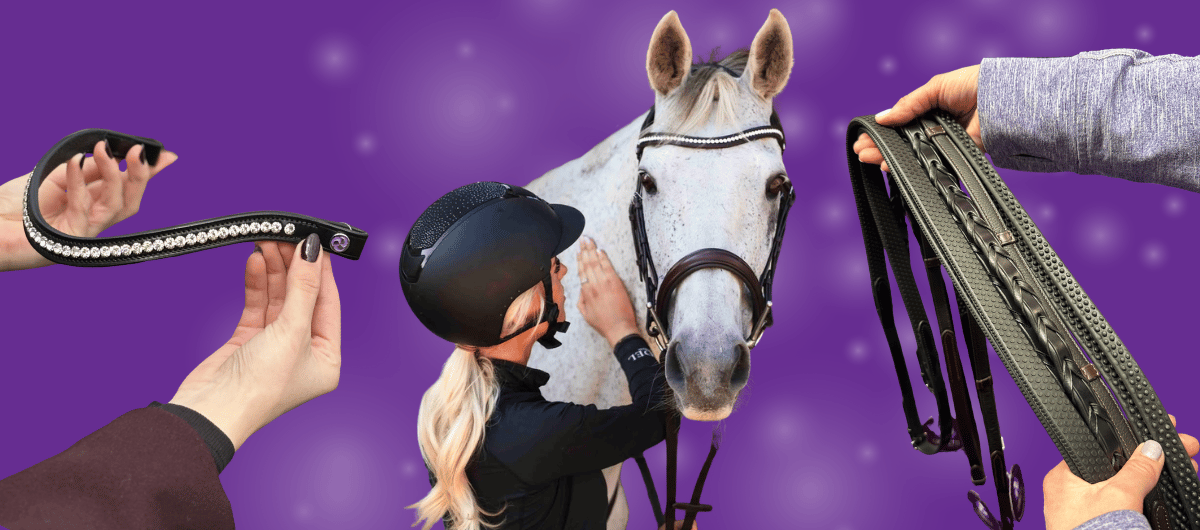
Flash nosebands are sometimes fitted tighter than necessary in an attempt to prevent evasions. But the evasion is usually a signal that something else is not working, whether that is bit choice, contact, or saddle fit. The noseband is not the fix; it is part of the picture. For a wider look at how bridle components work together, our guide to bridles, nosebands and bits covers this in more detail.
Step-by-step: how to fit a flash nose band correctly
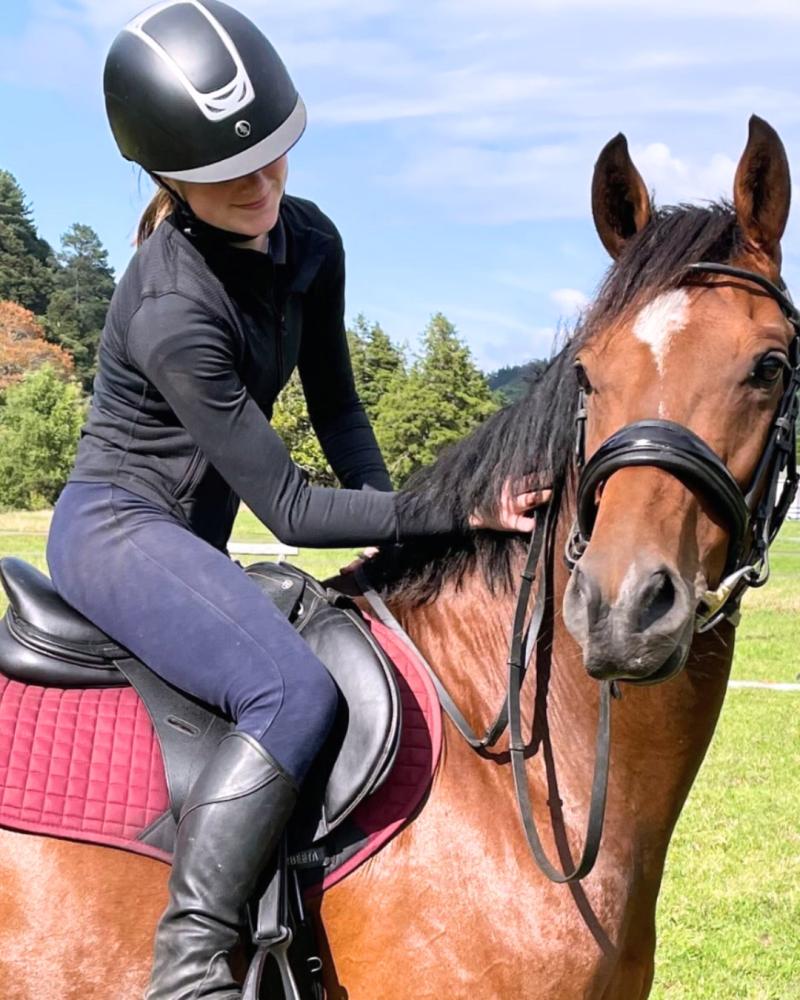 Step 1: Fit the cavesson first
Before touching the flash strap, get the cavesson sitting correctly. It should sit approximately two fingers below the bottom of the cheekbone, lying flat across the nose without tilting. Fasten it so you can place two fingers beneath it comfortably, but it should not slide around when the horse moves.
The cavesson buckle should sit at the back under the jaw, not pulled up into the jaw groove itself.
Step 2: Position the flash loop
The flash strap attaches through a small loop on the centre of the cavesson. This loop should sit directly in front of the nose, not slipping to one side. If it is off-centre, check whether the cavesson is sitting evenly to begin with.
Step 3: Fasten the flash strap
The flash nose band strap should fasten below the bit, sitting in the chin groove at the front of the face. It should not be so short that it pulls the cavesson forward, and it should not be so long that it sits on the soft tissue below the chin groove.
Tightness: You should be able to place one finger, comfortably, under the flash strap. Not snug. Not barely there. Comfortably.
Step 4: Check the mouth
Once the flash nose band is fastened, check that the horse can still move their jaw very slightly. They will not chew freely with a correctly fitted flash, but there should be a small amount of give. If the jaw feels locked, it is too tight.
The welfare checklist: six things to check every time
Run through this before every ride:
- Cavesson sits two fingers below the cheekbone, neither higher nor lower
- Two fingers fit comfortably under the cavesson
- Flash strap sits in the chin groove, not below it on the soft tissue
- One finger fits comfortably under the flash strap
- Flash loop is centred on the nose, not pulling to one side
- Horses can move their jaw slightly when the flash noseband is fastened
It takes less than a minute once it is part of your tacking-up routine. And it is worth it.
Common fitting mistakes and how to avoid them
The flash strap is too tight
This is the most common problem. Riders often tighten the flash to compensate for contact issues, jaw crossing, or a general sense that things are not sitting neatly. But tighter does not mean better. A horse restricted through the jaw will brace elsewhere.
If your horse is opening their mouth against the contact, that is worth a conversation with a coach or your saddle fitter before adjusting the flash noseband further. The find a fitter tool can help you locate someone local who can take a proper look.
The flash strap sits too low
If the flash strap drops below the chin groove onto the softer tissue of the lower jaw, it will pinch. Horses often show this as head-shaking, resistance to being bridled, or tension through the poll. Re-check the length of the strap and whether the cavesson needs to move up slightly.
The cavesson is too high or too low
A cavesson that sits too high (near the bottom of the cheekbone, not below it) will put pressure on the facial nerves. Too low and it slides around and loses function. Two fingers below the cheekbone is the consistent reference point for most horses.
The whole bridle is too loose
If the cheekpieces are adjusted incorrectly, the entire flash noseband can end up in the wrong position regardless of how carefully the noseband itself is fitted. Always check the overall bridle fit as part of your routine. Our full range of flash bridles and leatherwork includes options across a range of sizes and configurations.
When to consider a different noseband style
 A flash nose band suits many horses well. But it is not the only option, and it is not the right choice for everyone.
Some horses go better in a plain cavesson, particularly those who are sensitive around the face or who do not have a strong tendency to open their mouth. Others suit a grackle, which sits differently across the nose and is often preferred for horses that cross their jaw significantly.
The key question is always: what does this horse need? Not what looks right in a catalogue, and not what everyone else at the yard is using. Our nosebands range covers the full range of styles, and if you are not sure which direction to go, a qualified saddle fitter or bridle fitter can make a practical recommendation.
It is also worth noting that horses change. A noseband that fitted well two seasons ago may not fit the same horse today, particularly if their topline, weight, or way of going has shifted. A quick check at the start of each season is good practice.
Image credit: @diary_of_a_chestnut
If you are looking for flash nosebands built with horse comfort in mind, browse the Cavaletti Collection leatherwork range. And if your saddle fit is also due a check, the saddle range comes with a 14-day trial so you can ride in it before you commit.
Ready to browse? Take a look at the full flash nosebands and bridle accessories at Cavaletti Collection.
-
How to Fit a Flash Noseband: The Welfare Checklist
 April 24, 2026
 -
Bridles, Nosebands and Bits: A Practical Guide for UK Riders
 April 22, 2026
 -
What to Look for in a Jump Saddle Pad
 April 21, 2026
 -
Do Saddle Pads Change How Your Saddle Fits? What Pony Owners Need to Know
 April 20, 2026
 -
The Best Pony Saddle Pad for a Round-Barrelled Pony
 April 19, 2026