|


14 DAY FREE TRIAL
Try Before you buy

HAND QUALITY
Durable Leathers


HAND DESIGNED
By Horse Owners

INTERCHANGEABLE
Unique Gullet System
14 DAY FREE TRIAL
Try Before you buy
HAND QUALITY
Durable Leathers
HAND DESIGNED
By Horse Owners
UNIQUE INTERCHANGEABLE
Gullet System
When to Replace Your Stirrup Leathers: The Warning Signs
31
Aug

Stirrup leathers are one of those pieces of tack that riders rarely think about until something goes wrong. They go on the saddle, the stirrups go on them, and they tend to stay there for years.
But when to replace stirrup leathers take significant stress and wear in ways that are not always obvious from a glance. Knowing what to look for means you catch problems before they become falls.
How Stirrup Leathers Wear
The most stress on a stirrup leather happens at two places. The first is the buckle end, where the leather is folded and punched with holes and where the full weight of mounting loads the off-side leather with every session. The second is the fold point where the leather bends over the stirrup bar of the saddle.
These two points accumulate wear from opposite ends of the leather. A leather that looks fine in the middle can be failing at one or both ends.
What to Check
At the buckle end
Look at the holes. Leather that has been buckled repeatedly in the same hole stretches and tears slightly around the hole edge. If the holes are no longer clean circles but have torn into small slits or are visibly elongated, the leather is weakened at those points.
Check the stitching where the end of the leather attaches to the buckle. Any looseness, fraying, or pulling away from the leather is a sign that the leather needs replacing.
At the fold point
The fold over the stirrup bar flexes with every stride. Over time, this creates a crease point. Press the leather between your fingers at this crease: if it is stiff and resistant rather than supple, or if you can see cracking along the inside of the fold, the leather is compromised.
Along the body of the leather
Check both sides for surface cracking, dark, stiff patches that do not soften with conditioning, or any visible thinning. A leather that has thinned unevenly is unreliable under load.
The Uneven Length Problem
Most riders have a dominant mounting side. Years of mounting from the left means the left stirrup leather is loaded more often. Over time, this causes the left leather to stretch longer than the right.
If you are constantly having to adjust one side shorter than the other, or if your stirrups never feel equal despite being on the same holes, it is worth swapping the leathers side for side regularly to even out the wear. Many riders swap them every few months.
When the leathers are so different in length that you can no longer compensate by adjusting holes, it is time to replace them.

How Often Should You Replace Them?
There is no single answer. It depends on frequency of use, maintenance quality, and whether they have been correctly cared for. A leather ridden five days a week that has never been conditioned may be unsafe after two years. A leather used twice a week and cared for properly may last seven or eight years.
A good rule of thumb: inspect thoroughly once a year and replace on any of the warning signs above, regardless of age. Do not wait for visible failure.
Browse the Cavaletti Collection stirrup leather range at cavaletticollection.co.uk. And for a complete tack picture, including saddle fit, our 14-day saddle trial is the most practical starting point. Our fitting guide and fitter locator are there when you need a professional view.
Recent Posts
-
Weighted stirrups: do they actually help your position?
 September 4, 2026
 -
When to Replace Your Stirrup Leathers: The Warning Signs
 August 31, 2026
 -
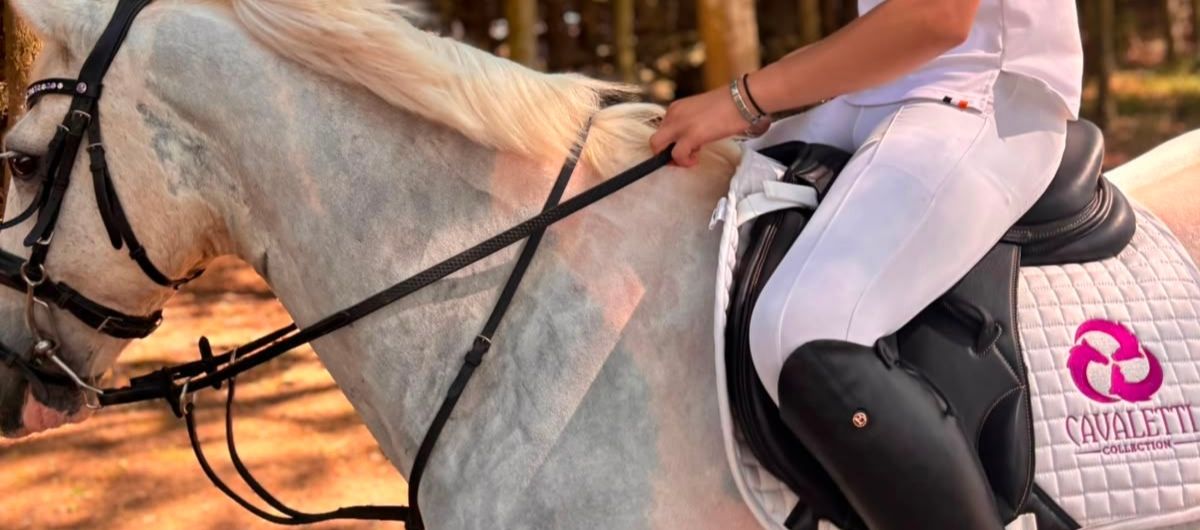
Black vs Brown Reins: Does Matching Your Bridle Actually Matter?
 August 28, 2026
 -
How to Choose the Right Safety Stirrups for Jumping
 August 24, 2026
 -
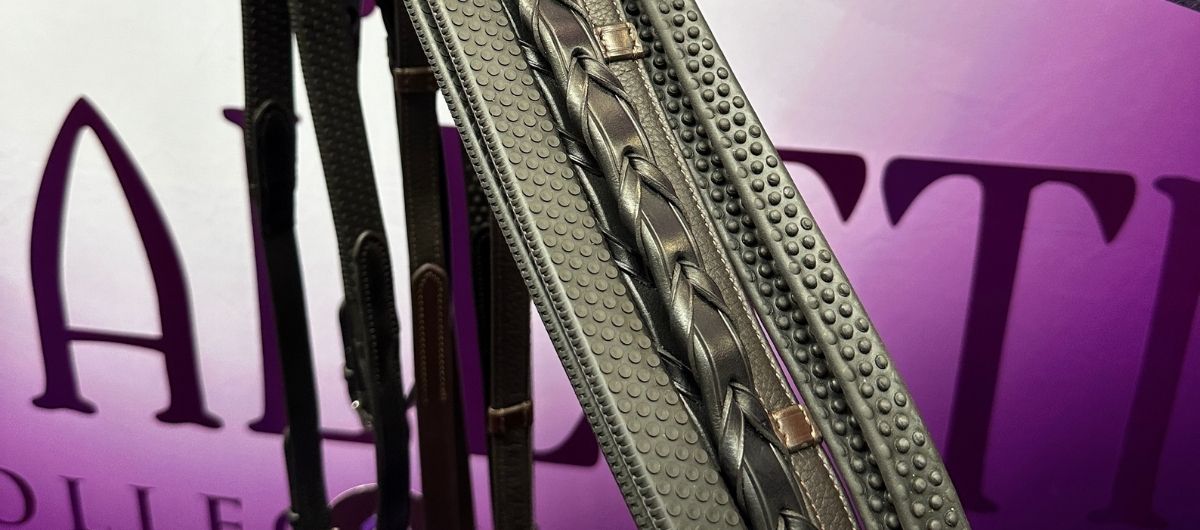
Stirrups, Reins and Stirrup Leathers: Getting Your Leatherwork Right
 August 19, 2026