|


14 DAY FREE TRIAL
Try Before you buy

HAND QUALITY
Durable Leathers


HAND DESIGNED
By Horse Owners

INTERCHANGEABLE
Unique Gullet System
14 DAY FREE TRIAL
Try Before you buy
HAND QUALITY
Durable Leathers
HAND DESIGNED
By Horse Owners
UNIQUE INTERCHANGEABLE
Gullet System
Headcollars for Horses: Choosing, Fitting and Caring for Leather
29
Jun
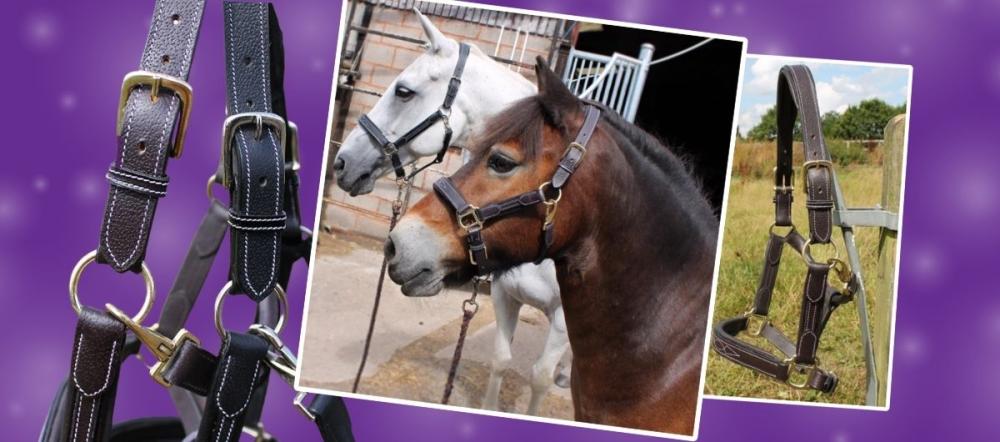
Headcollars for Horses: Choosing, Fitting and Caring for Leather
A headcollar is one of the most used pieces of tack you will own. It goes on before anything else, comes off last, and probably lives on the stable door for most of the day. It is easy to overlook.
But horse headcollars matter. A headcollar that fits badly can cause rubs, put pressure on sensitive facial structures, and create problems with handling and leading. A headcollar that is too strong for the situation can injure a horse that pulls back. A headcollar that breaks at the wrong moment can save that same horse from a serious injury.
This guide covers everything you need to choose, fit, and care for a leather headcollar horses. Whether you are buying your first or reconsidering what has been on the stable door for years.
Why the Material Matters
Horse Headcollars come in leather, synthetic webbing, and rope. Each has different properties.
Synthetic webbing headcollars are durable, inexpensive, and easy to clean. They are the practical choice for everyday use on a sensible horse in a managed environment.
Leather head collars are more expensive, require more maintenance, and look better. But the most significant difference is safety. Leather will break under sufficient pressure. Synthetic will not.
This matters because horses get caught. A headcollar that catches on a fence, a stable fitting, a gate latch, or even another horse's shoe can trap a horse who then panics and pulls. A leather horse headcollar will give way before the horse or the fence does. A synthetic headcollar may not.
For horses left in headcollars unattended, in the field, in a stable, or travelling, a leather headcollar is the kinder and safer choice. For horses handled on the yard and never left unattended, either material is acceptable.
Parts of a Headcollar and What a Good Fit Looks Like
The noseband sits across the nose, roughly two finger-widths below the cheekbone. It should allow two fingers underneath when fastened. Too tight and it creates pressure on the nasal bone. Too loose and it slides down, or the horse can more easily pull out of it.
The headpiece sits behind the ears. It should not press on the back of the ears or dig into the poll. If the horse resists being headcollared or shakes the head frequently when wearing it, the headpiece fit is worth checking.
The cheek pieces connect the noseband and headpiece on each side. They should lie flat against the face without buckling inward. If they are pulling away from the face on one side, the fit is not symmetrical.
The throat lash should allow a fist between it and the throat. Its job is to prevent the headcollar from sliding forward over the ears if the horse puts the head down sharply.
Leather Headcollars: What to Look For
Not all leather head collar are equal. A cheap leather headcollar may feel reassuringly solid but will dry out, crack, and lose its flexibility quickly if not maintained.
Look for stitching that runs deep through the leather at all stress points, particularly the rings and buckle attachments. These are the places where the force goes if a horse pulls back, and they are where wear shows first.
The Cavaletti Collection leather headcollars are made with the same philosophy as the saddles and bridles: quality materials, honest construction, made to last with proper care.
Which Horse Benefits Most from a Leather Headcollar?
Any horse left unattended in a headcollar. In the field, travelling, or in a stable if you leave them headcollared.
Young or unpredictable horses may pull back when tied. The leather break is a genuine safety feature, not just a nice-to-have.
Horses with sensitive heads or faces. Leather, well-conditioned, is softer against the skin than synthetic webbing.
For a detailed guide on horses who pull back, see our guide on the best headcollar for a horse who pulls back when tied.
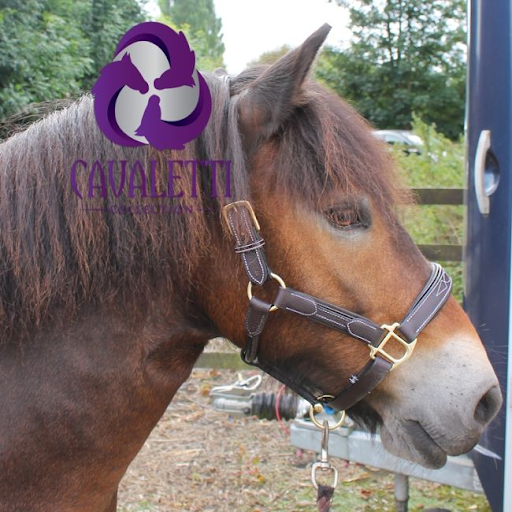
Caring for Your Leather Headcollar
A well-maintained leather fitting headcollar can last for many years. A neglected one becomes stiff, dry, and unreliable far more quickly.
Clean after use with a damp cloth to remove mud, sweat, and grease. Allow to dry naturally, not near a direct heat source.
Apply leather conditioner regularly, at least once a month, with regular use. This keeps the leather supple and prevents the drying and cracking that weakens it.
Check the stitching and buckles regularly. Any fraying, cracking at a stress point, or a buckle that does not close cleanly is a reason to replace that part or the whole headcollar.
See our detailed guide on caring for your leather headcollar for a full maintenance routine.
And if you are reviewing your tack broadly, our fitting guide covers the whole picture, and our fitter locator can connect you with a qualified professional. For the saddle specifically, the 14-day trial remains the most sensible way to find what works.
Recent Posts
-
Weighted stirrups: do they actually help your position?
 September 4, 2026
 -
When to Replace Your Stirrup Leathers: The Warning Signs
 August 31, 2026
 -
Black vs Brown Reins: Does Matching Your Bridle Actually Matter?
 August 28, 2026
 -
How to Choose the Right Safety Stirrups for Jumping
 August 24, 2026
 -
Stirrups, Reins and Stirrup Leathers: Getting Your Leatherwork Right
 August 19, 2026