|


14 DAY FREE TRIAL
Try Before you buy

HAND QUALITY
Durable Leathers


HAND DESIGNED
By Horse Owners

INTERCHANGEABLE
Unique Gullet System
14 DAY FREE TRIAL
Try Before you buy
HAND QUALITY
Durable Leathers
HAND DESIGNED
By Horse Owners
UNIQUE INTERCHANGEABLE
Gullet System
The Best Headcollar for a Horse Who Pulls Back When Tied
6
Jul
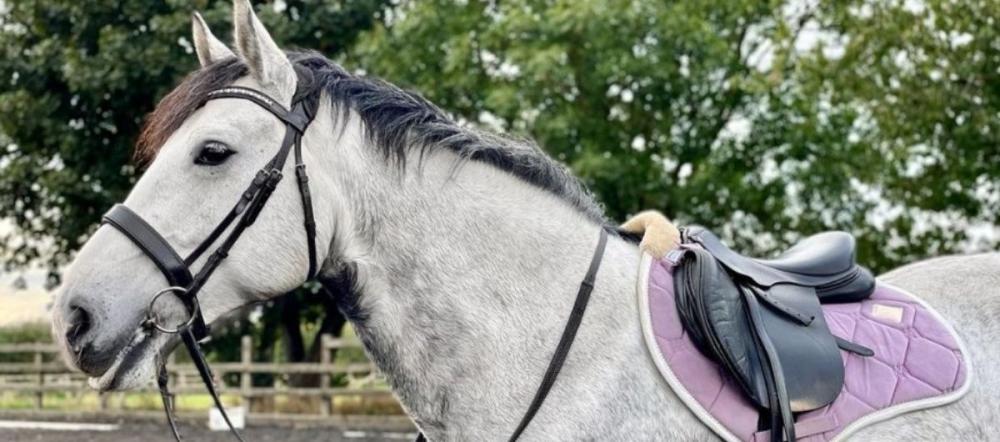
The Best Headcollar for a Horse Who Pulls Back When Tied
A horse who pulls back when tied is one of the most nerve-wracking handling situations in equestrian life. You secure the lead rope and walk away. A noise, a spook, a passing lorry. And then the horse sits down on the rope and the whole situation escalates in seconds.
The field safe headcollar you use in this situation makes a real practical difference.
Understanding Why Horses Pull Back
Pulling back is almost always a fear response. The horse feels restrained and cannot move forward, which triggers a flight instinct. The harder the headcollar holds, the more the horse pulls. The pulling response is self-reinforcing: once a horse learns that pulling back releases pressure (by breaking something), they will try it again.
The handling approach matters enormously here. But so does the tack.
Why Leather Headcollars Matter for This Horse
A leather headcollar that breaks under significant force is safer for a horse who pulls back hard. When the horse pulls with full body weight, the leather gives way before the horse injures their neck or a stable fitting is ripped out of the wall.
This is not a failure of the headcollar. It is the headcollar doing exactly what it should.
A synthetic headcollar that does not break puts all the force back into the horse's head and neck. Cervical injuries from headcollar for pulling horses back are serious and can be career-ending. A broken headcollar is a much better outcome.
What to Look for in a Headcollar for This Horse
Leather is the material of choice. It should be good-quality, well-maintained leather that is supple and strong, not cheap leather that will dry out and crack at the first test.
The fit should be snug. A loose headcollar that allows the horse's head to go through it is more likely to cause injury when they pull back.
Avoid headcollars with extra safety-release features in the noseband unless they are endorsed by a qualified equine behaviourist for your specific horse. In the wrong situation, a headcollar that releases too easily can be a hazard in its own right.
Alongside the Right Headcollar: Handling Advice
A leather headcollar addresses the safety question. It does not address the behaviour.
Horses who pull back benefit from work with a qualified trainer or behaviourist who can address the fear response at its root. Tying with a quick-release knot, safe tying horse to a breakable point such as a piece of baler twine, and building trust through consistent, low-pressure handling all help over time.
The right headcollar buys safety while the training work happens. It is not the whole solution.
For a full look at leather headcollar options, browse the Cavaletti Collection leatherwork range. And if your tack is due a broader review, our fitting guide is a good starting point, with our fitter locator connecting you to qualified help near you.
Recent Posts
-
Weighted stirrups: do they actually help your position?
 September 4, 2026
 -
When to Replace Your Stirrup Leathers: The Warning Signs
 August 31, 2026
 -
Black vs Brown Reins: Does Matching Your Bridle Actually Matter?
 August 28, 2026
 -
How to Choose the Right Safety Stirrups for Jumping
 August 24, 2026
 -
Stirrups, Reins and Stirrup Leathers: Getting Your Leatherwork Right
 August 19, 2026