|


14 DAY FREE TRIAL
Try Before you buy

HAND QUALITY
Durable Leathers


HAND DESIGNED
By Horse Owners

INTERCHANGEABLE
Unique Gullet System
14 DAY FREE TRIAL
Try Before you buy
HAND QUALITY
Durable Leathers
HAND DESIGNED
By Horse Owners
UNIQUE INTERCHANGEABLE
Gullet System
Before & After: What Changes When a Saddle Finally Fits Your Horse
13
Feb
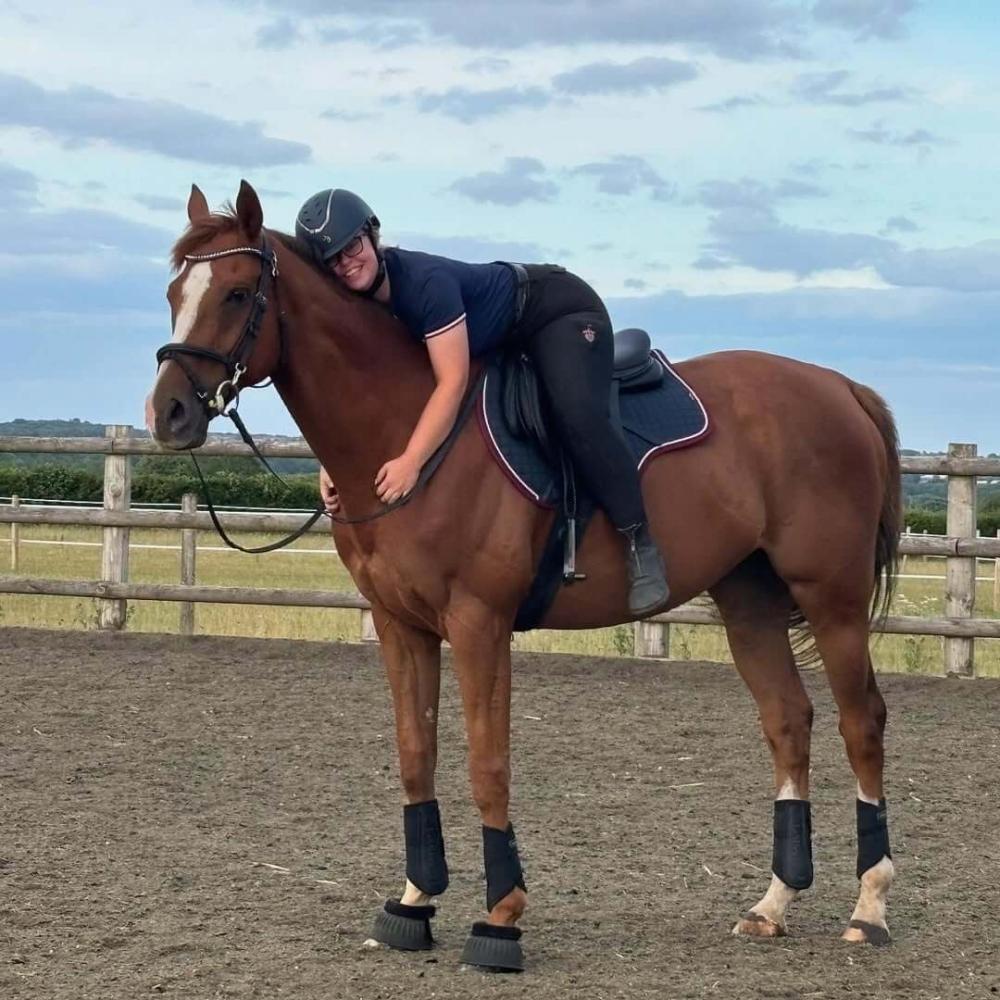
Image Credit: @jerseywonder
Before & After: What Changes When a Saddle Finally Fits Your Horse
Table of Contents
- The “Before” Signs We Explain Away
- What Changes When the Saddle Is Right
- Rider Feel: The Quiet Confidence You Can’t Fake
- Small Acts of Kindness That Add Up
- How to Try Before You Buy (Without the Stress)
- A Simple “Before & After” Checklist
- Final Thoughts
There’s a moment every horse owner remembers: the first ride where everything just… clicks. Your horse softens, your seat settles, and suddenly the “attitude” you blamed on the weather looks a lot more like relief. Often, that turning point is simple. It’s a saddle that fits.
If you’re browsing second hand saddles for sale, you’re already doing something thoughtful: looking for a quality option that’s kinder on your budget and potentially kinder for your horse too, when chosen carefully. This guide is your little before-and-after story, plus practical steps to help you get there, with the support of a trial that takes the pressure off.
Ready to see what a difference a trial can make?
Read the main guide here: How to Book a FREE Saddle Trial for 14 Days
The “Before” Signs We Explain Away
Before a horse gets loud about discomfort, they’re usually quiet about it first.
You might notice:
- A shortened stride or a “stuck” feeling through the back
- Ears back at tacking up, or stepping away as the girth comes out
- A reluctance to go forward, especially in transitions
- Hollowing, tail swishing, or rushing to get the ride over with
And because we care, we try to be fair. We tell ourselves they’re fresh, spooky, cheeky, unfit, and distracted. Sometimes that’s true. But often, the real issue is that the horses saddle simply isn’t working for the shape they are today.
If you’re not sure where to start, it can help to browse a curated range of options (especially if you’re comparing styles and fits). Here’s the wider collection of saddles to explore alongside your trial plan.
What Changes When the Saddle Is Right
The “after” isn’t always dramatic. Sometimes it’s tiny. And that’s exactly why it’s so emotional. 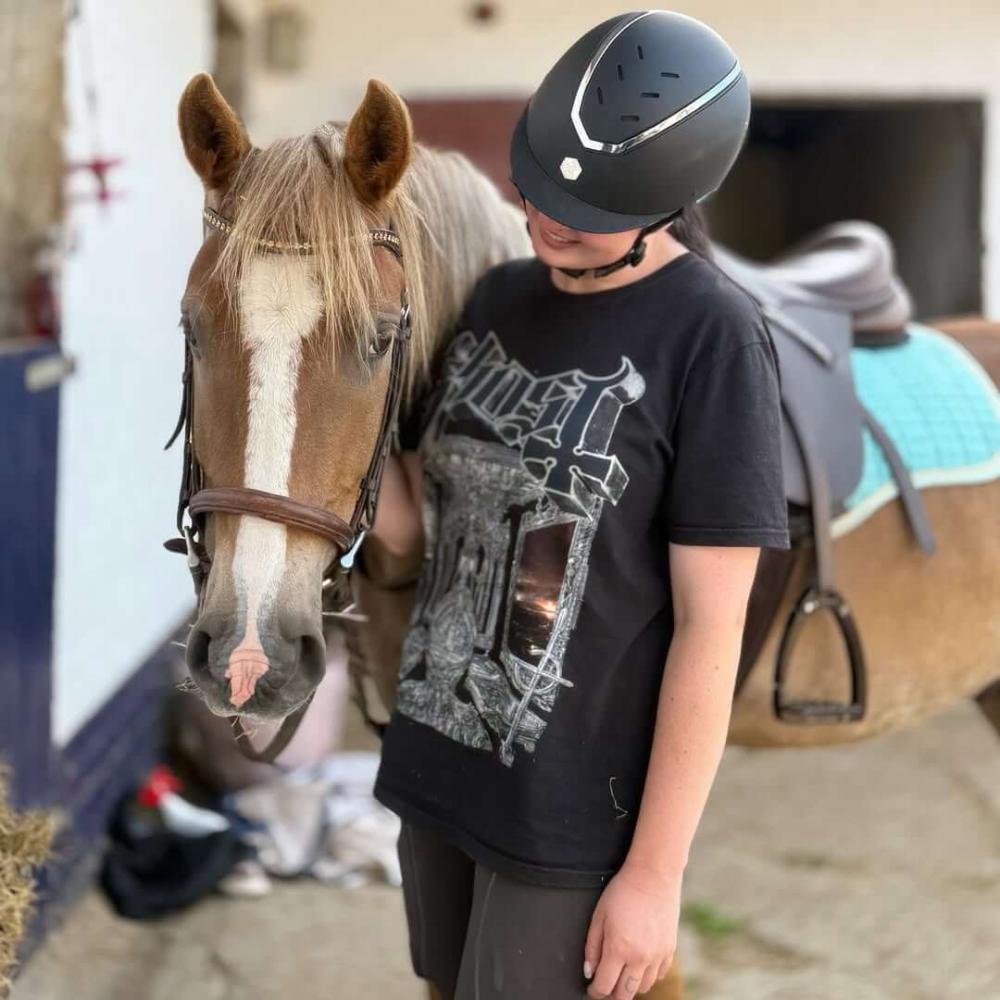
1) Your horse breathes again
When a saddle that fits stops pinching, bridging, or restricting the shoulder, many horses take deeper breaths within minutes. Their eye softens. The mouth relaxes. You’ll feel them arrive.
2) The back starts to swing
A comfortable horse saddle can invite the back to lift instead of brace. That swing is what makes everything else possible, from consistent contact to balanced canter departs.
3) Work becomes a conversation, not a debate
When discomfort is removed, the “arguments” often melt away. The horse that used to rush might slow. The horse that used to nap might finally go forward. This is the part that gets owners teary, because it’s not just performance. It’s trust.
And yes, this is exactly why saddle fitting matters even when you’re choosing pre-loved. A good saddle doesn’t have to be brand new. It just has to be right.
Image Credit: @jaffas.adventures
Rider Feel: The Quiet Confidence You Can’t Fake
When the saddle is wrong, riders adapt without realising:
- You brace through your thighs to feel stable
- You tip forward to avoid being left behind
- Your hands get busy because your seat can’t stay quiet
But with a saddle that fits, you stop “holding it together” and start riding your horse. Your leg sits longer. Your upper body feels stacked. You can give clearer aids because you’re not constantly correcting your own balance.
It’s also where many people notice the biggest mindset shift: you stop blaming yourself for every wobble, and you start recognising the role your horses saddle plays in your position.
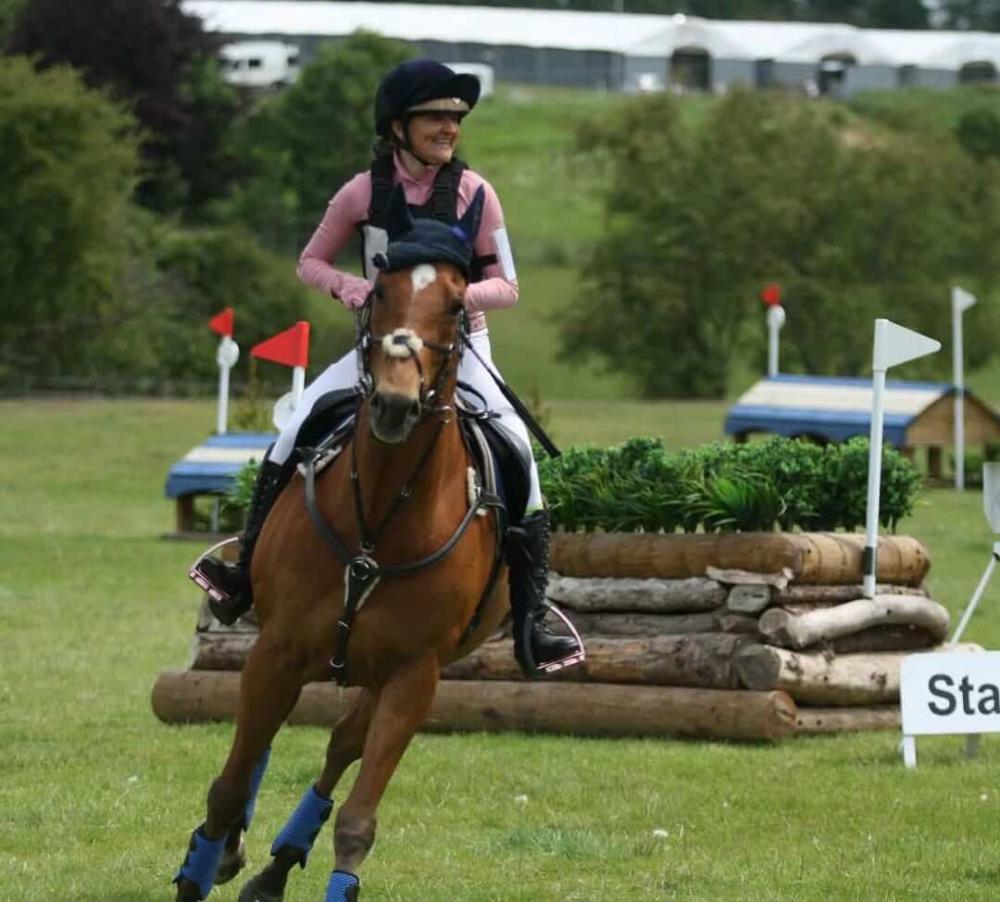
Image Credit: @harrys_newchapter
Small Acts of Kindness That Add Up
Responsible ownership isn’t about being perfect. It’s about making the next kind choice.
Here are a few that matter more than people realise:
- Check fit when things change. Weight, muscle, age, workload, seasons, and injury rehab can all alter shape. Routine saddle fitting checks can prevent weeks of confusion and discomfort.
- Warm up like you mean it. Five minutes of thoughtful walk can be the difference between “tight and resistant” and “ready to work.”
- Listen without judgement. If your horse is telling you something, believe them first. Behaviour is communication, not bad manners.
- Choose value, not just price. There’s a reason so many riders look for second hand saddles for sale: you can access higher quality, better models, and a wider selection. The kindness is in choosing carefully, then verifying with a proper trial.
How to Try Before You Buy (Without the Stress)
If you’ve ever bought a saddle in a panic, you’re not alone. It’s easy to feel pressured when you just want your horse comfortable.
That’s why a trial is such a game-changer. It gives you space to check the feel, the balance, and the way your horse moves over several rides, not just one lap of the arena.
Here’s the step-by-step guide you’ll want to follow:
How to Book a FREE Saddle Trial for 14 Days
And when you’re ready to trial, you can head straight to the trial page here:
14-Day Trial
Many riders use the trial period to compare a few options from second hand saddles for sale, then narrow it down based on how their horse actually goes, not just how it looks on a rack.
A Simple “Before & After” Checklist
Use this quick checklist over the first few rides. Tiny improvements matter.
Before (common clues something isn’t right)
- Tight through the back, reluctant to stretch
- Shorter steps on one rein
- Ears back at mounting or girthing
- You feel tipped forward or behind the movement
After (green flags you’re on the right track)
- More even rhythm, especially in trot
- Quicker to soften and settle
- Less tail swishing, less rushing
- You feel centred without fighting for position
If you’re ticking more “after” boxes, you’re getting closer to what every horse deserves: comfort that allows them to try.
And if you’re still unsure, that’s where saddle fitting support and a proper trial period help you make a confident decision.
Final Thoughts
The best “before and after” isn’t about a shinier leather finish or a new brand name. It’s the moment your horse feels understood.
If you’re exploring second hand saddles for sale, let your next step be the kind one: trial first, listen closely, and choose the option that helps your horse move freely and happily.
- Browse options here: saddles
- Start your trial here: 14-Day Trial
- Follow the full booking guide: How to Book a FREE Saddle Trial for 14 Days
Because when you find the right one, it’s not just a purchase. It’s a promise.
Recent Posts
-
Weighted stirrups: do they actually help your position?
 September 4, 2026
 -
When to Replace Your Stirrup Leathers: The Warning Signs
 August 31, 2026
 -
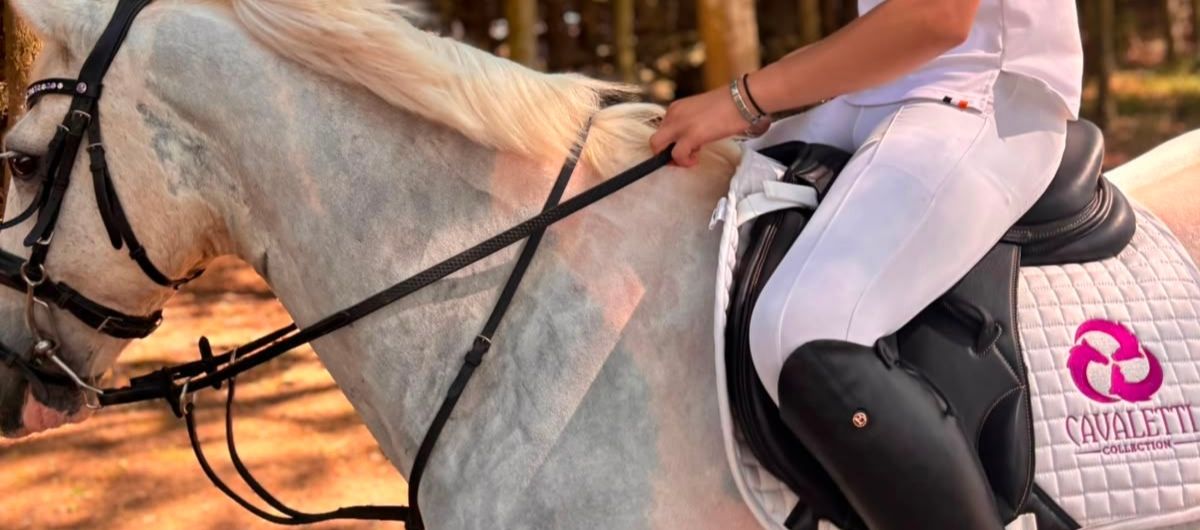
Black vs Brown Reins: Does Matching Your Bridle Actually Matter?
 August 28, 2026
 -
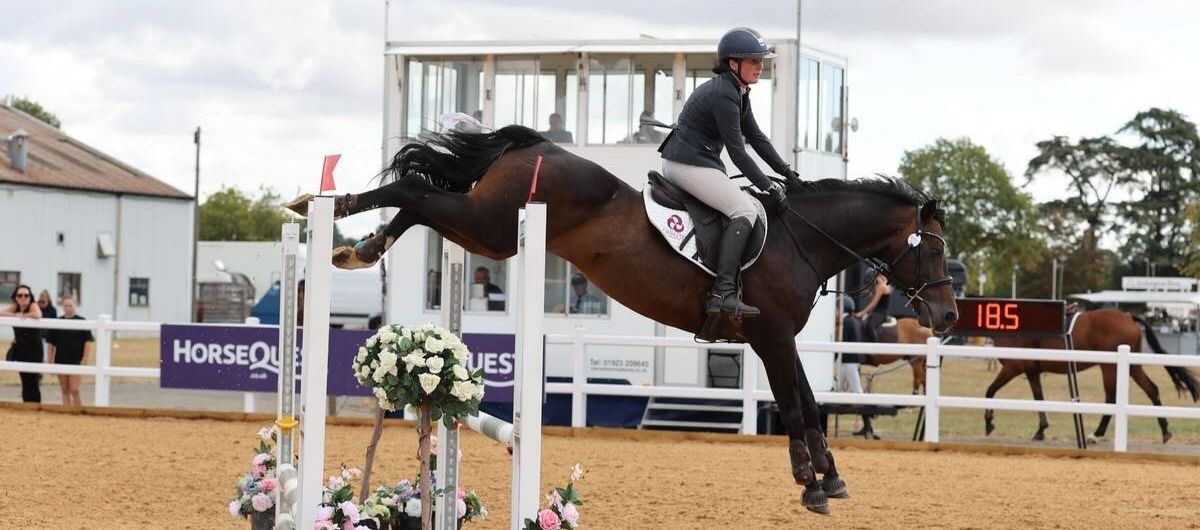
How to Choose the Right Safety Stirrups for Jumping
 August 24, 2026
 -
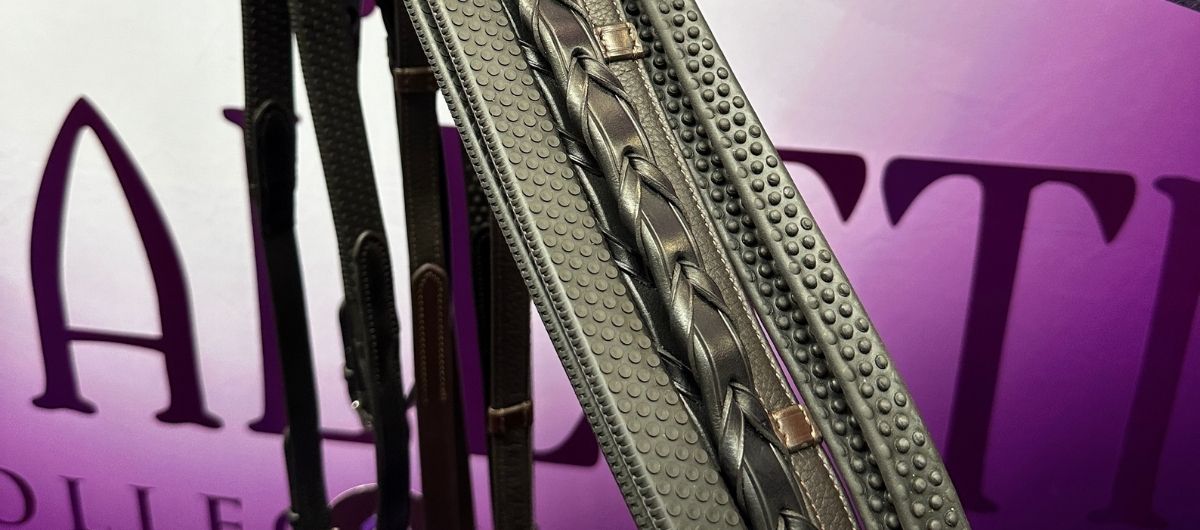
Stirrups, Reins and Stirrup Leathers: Getting Your Leatherwork Right
 August 19, 2026