|


14 DAY FREE TRIAL
Try Before you buy

HAND QUALITY
Durable Leathers


HAND DESIGNED
By Horse Owners

INTERCHANGEABLE
Unique Gullet System
14 DAY FREE TRIAL
Try Before you buy
HAND QUALITY
Durable Leathers
HAND DESIGNED
By Horse Owners
UNIQUE INTERCHANGEABLE
Gullet System
Full Cheek Bits Explained: Uses, Fitting and Rider Feedback
5
Jun
Full Cheek Bits Explained: Uses, Fitting and Rider Feedback
Table of Contents
- What Is a Full Cheek Bit?
- How Does a Full Cheek Bit Work?
- When Are Full Cheek Bits Most Useful?
- Full Cheek Bits: What the Mouthpiece Does
- How to Fit a Full Cheek Bit
- Full Cheek Bits and Bit Rules: What You Need to Know
- Rider Feedback: What People Actually Notice
- Full Cheek Bits Versus Other Snaffles
- When a Full Cheek Bit Might Not Be the Answer
- A Practical Starting Point
There is a moment every rider knows. You ask for a turn, and your horse drifts, ignores the aid, or swings through the outside shoulder like the fence isn't there. You've tried adjusting your hands. You've worked on the schooling. And then someone at the yard suggests a full cheek bit, and suddenly things click.
Full cheek bits are one of the most genuinely useful tools in the tack room. Not flashy. Not complicated. But for certain horses and certain problems, they make a real difference to how communication happens between hand and mouth.
This guide explains what full cheek bits are, how they work, when they're worth trying, and what a good fitting actually looks like.
What Is a Full Cheek Bit?
A full cheek bit is a snaffle with extended arms running vertically above and below the mouthpiece rings. Those arms, the cheek pieces horse, sit against the side of the horse's face and prevent the bit from sliding sideways through the mouth.
That sounds simple. But it has a significant practical effect. When you apply a rein aid, the cheek on the opposite side presses gently against the horse's face, reinforcing the turning signal. The bit gives lateral guidance, not just mouth pressure.
This is why full cheek bits are used so widely with young horses and with horses who drift or lack straightness. They support the rein aid rather than relying solely on it. If you are looking for a comprehensive overview of how your entire tack setup works together, check out our masterclass on Bridles, Nosebands and Bits: A Practical Guide for UK Riders.
How Does a Full Cheek Bit Work?
The full cheek operates on simple physics. As pressure is applied on the right rein, the left cheek arm presses against the left side of the face. The horse receives the turning cue from two places simultaneously: the mouth and the side of the face.
For a horse just learning to respond to the rein, or a horse that has learned to lean through the outside shoulder, this doubled signal is clearer than a loose ring or eggbutt alone.
The arms also stabilise the bit in the mouth. There is less movement, less sliding, and less chance of the bit being pulled through. For horses sensitive to bit movement, this stability is often very welcome.
When Are Full Cheek Bits Most Useful?
Young horses in early training
A full cheek helps a young horse understand directional aids before they have the balance or muscle memory to respond to subtler cues. It gives them something more to read, which speeds up the early learning process without adding force.
Horses who drift or lack straightness
If your horse consistently drifts to one side, loses the outside shoulder on circles, or struggles to stay straight on a long rein, a full cheek gives you a more effective lateral aid. Many riders find this more useful than adding leg or draw reins.
Horses who lean on the bit
The stability of the full cheek means there is less give for the horse to lean into. Combined with correct training, this can encourage a lighter contact.
Riders returning after a break
If your aids are not yet as clear as they were, a full cheek helps the horse understand what you are asking while you rebuild consistency.
Full Cheek Bits: What the Mouthpiece Does
The cheek arms are only part of the picture. The mouthpiece matters just as much.
Most full cheek bits come with a single-jointed snaffle mouthpiece. This is the classic option and works well for most horses. A double-jointed version, with a small link or lozenge in the centre, reduces the nutcracker action on the roof of the mouth and suits horses who are sensitive to that pressure.
Thicker mouthpieces are generally milder. Thinner ones concentrate pressure over a smaller area. For a horse new to work or sensitive in the mouth, a thicker 16mm mouthpiece is usually the better starting point.
How to Fit a Full Cheek Bit
Fitting matters more with a full cheek than with some other bits, because the cheek arms sit against the face and need to be positioned correctly to work well and to avoid rubbing.
The bit should sit in the mouth, creating one or two gentle wrinkles at the corner of the lips. Any more than two wrinkles, and it is sitting too high. No wrinkles, and it is too low and may bang the teeth.
The cheek arms should point upward and downward along the natural line of the horse's face, sitting parallel to the cheek. If they angle sharply inward or outward, the bridle fit needs adjusting.
Most riders use bit guards with full cheek bits. These small rubber discs sit between the bit rings and the corner of the lips, preventing rubbing and keeping the bit stable. They are not always necessary, but are worth trying for sensitive-faced horses.
Keepers on the cheek pieces for horses of the bridle can hold the top arm of a full cheek in position, which further improves stability and directional action. If your bridle has them, use them.
If you are unsure about fit, our fitting guide is a good place to start, and our saddle fitter locator can help you find someone local who can assess the whole bridle and bit combination.
Full Cheek Bits and Bit Rules: What You Need to Know
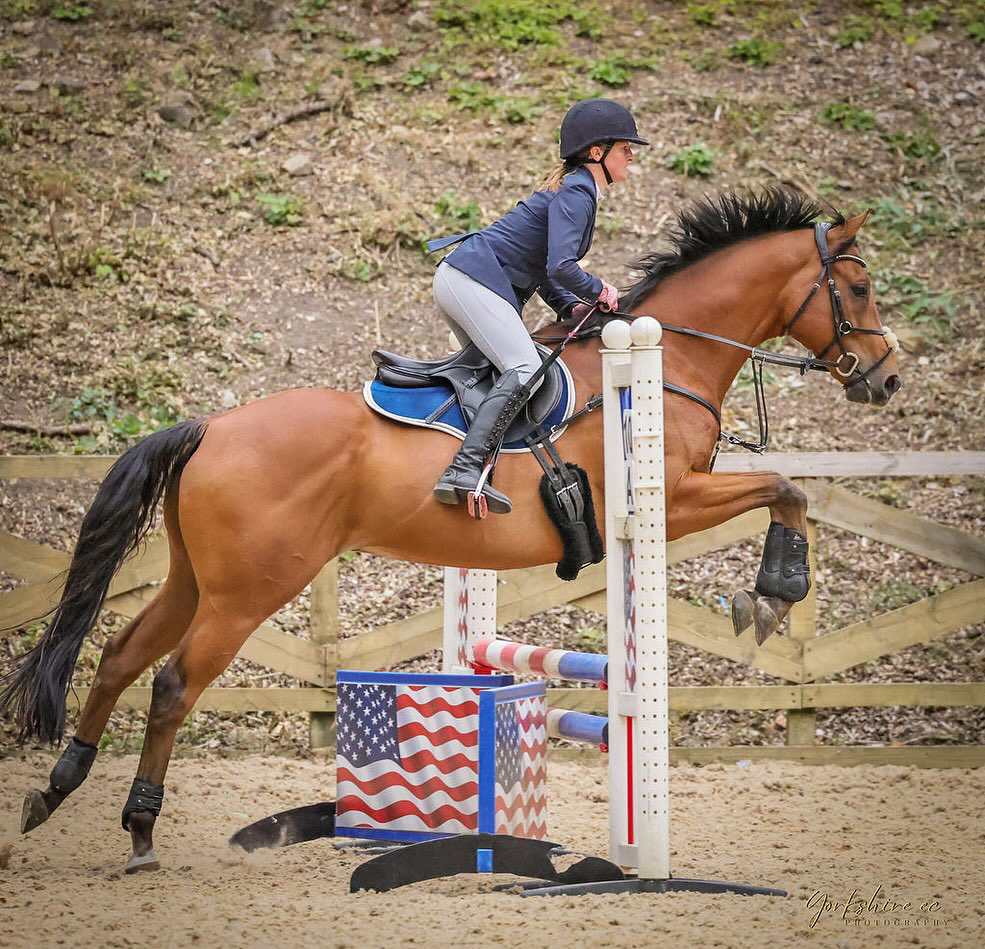
Full cheek bits are permitted in most disciplines. In British Dressage, they are allowed up to and including Novice level. Beyond Novice, the rules become more specific, so check the current rulebook if you compete.
For British Showjumping, full cheek bits are generally permitted. For showing, check with the relevant society, as breed and showing rules can vary.
If in doubt, a quick call to the show secretary or a check on the governing body website will give you a definitive answer before you pack your kit.
Rider Feedback: What People Actually Notice
The most common feedback from riders who move to a full cheek for the first time is that turning feels clearer and easier.
Horses that have been drifting through the outside shoulder often show an almost immediate improvement. The lateral guidance of the cheek arm gives the horse something physical to respond to, rather than relying on a rein aid that they have learned to ignore.
Some riders notice that their horses go in a softer contact with a full cheek than with a looser ring bit. The stability removes the movement the horse was leaning into. That said, it is not a universal result. Every horse is different, and bit choice always needs to be tested in real riding.
The honest answer is: try it. A few schooling sessions will tell you more than any guide can.
Full Cheek Bits Versus Other Snaffles
Loose ring snaffles create more movement in the mouth and encourage the horse to chew and work the contact. They suit horses who are mouthy and responsive, but they can slide through the mouth if the horse learns to lean.
Eggbutt snaffles are fixed, like the full cheek, and remove the pinching risk of a loose ring. They give less lateral guidance than a full cheek, but are a good choice for a horse who is straight and light in the contact.
D-ring snaffles offer a small amount of lateral guidance but less than a full cheek. They are a common choice for jumping.
The full cheek sits between the eggbutt and a bit with shanks in terms of guidance given. It adds a clear lateral signal without adding leverage or severity.
When a Full Cheek Bit Might Not Be the Answer
A full cheek improves communication. It does not fix training issues or mask pain.
If your horse is drifting, resisting the contact, or grinding their teeth, it is worth ruling out discomfort before changing the bit. Dental issues, poor saddle fit, and back problems can all show up in the mouth. A horse that resists the bridle across a range of bits is often a horse that is uncomfortable somewhere.
If you are concerned about tack fit more broadly, our 14-day saddle trial is a good way to assess the saddle without commitment, and many riders find that sorting the saddle resolves issues they thought were bit-related.
Always rule out the physical before reaching for a stronger or different piece of tack.
A Practical Starting Point
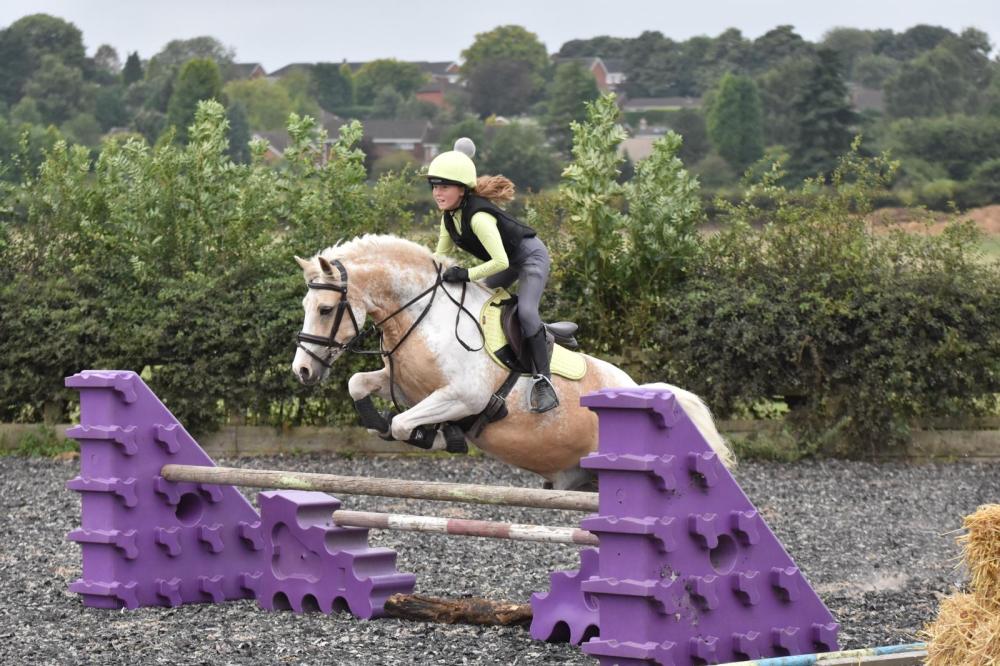
If you are considering a full cheek for the first time, a single-jointed 16mm full cheek snaffle is the most sensible starting point for most horses. It is mild, stable, and gives clear lateral guidance without adding unnecessary pressure.
Ride in it for a few sessions before forming a view. Bits take time to assess honestly. One or two good sessions do not mean a perfect fit. A week of varied work will give you a much clearer picture.
If your horse goes better in it, you have your answer. If they seem uncomfortable or there is no change, go back to what you had and consider whether the issue is elsewhere.
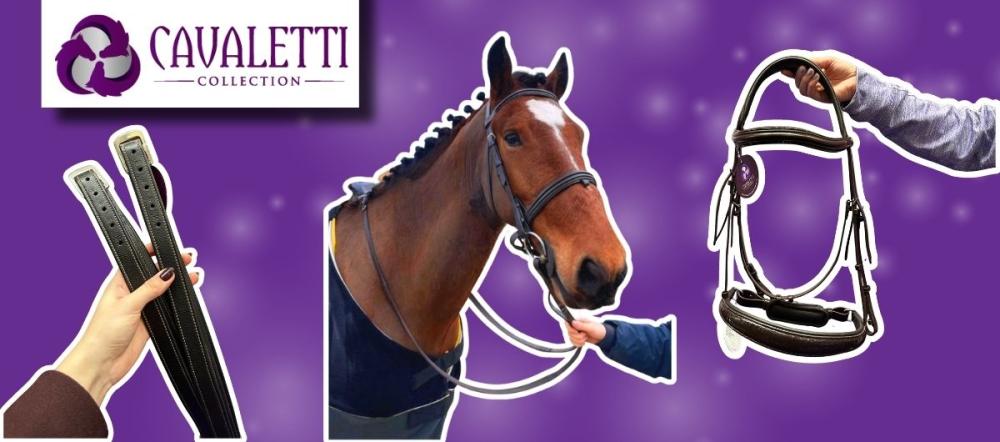
Browse the Cavaletti Collection leatherwork range for bridles and accessories, or use our fitter locator to find a qualified saddle fitter near you who can assess your horse's whole tack setup.
Recent Posts
-
Weighted stirrups: do they actually help your position?
 September 4, 2026
 -
When to Replace Your Stirrup Leathers: The Warning Signs
 August 31, 2026
 -
Black vs Brown Reins: Does Matching Your Bridle Actually Matter?
 August 28, 2026
 -
How to Choose the Right Safety Stirrups for Jumping
 August 24, 2026
 -
Stirrups, Reins and Stirrup Leathers: Getting Your Leatherwork Right
 August 19, 2026