|


14 DAY FREE TRIAL
Try Before you buy

HAND QUALITY
Durable Leathers


HAND DESIGNED
By Horse Owners

INTERCHANGEABLE
Unique Gullet System
14 DAY FREE TRIAL
Try Before you buy
HAND QUALITY
Durable Leathers
HAND DESIGNED
By Horse Owners
UNIQUE INTERCHANGEABLE
Gullet System
Bridle Anatomy: What Every Part Does and Why It Matters
10
Jun
Bridle Anatomy: What Every Part Does and Why It Matters
Table of Contents
Most riders spend years handling bridles before they stop and think about why each parts of a horse bridle is there. The headpiece goes over the ears. The noseband clips up. The bit goes in. You get on and ride.
But the bridle fit affects how freely your horse moves, how willingly they go into the contact, and whether they feel comfortable being ridden at all. Understanding what each part does makes it much easier to spot when something is wrong and to make good choices when you are buying or replacing parts.
This is a plain-language guide to bridle anatomy. Whether you choose a brown leather bridle or a double leather bridle, no jargon without explanation. Just what each part is for and what a good fit looks like.
The Headpiece
The headpiece is the strap that sits behind the ears and holds the whole bridle together. It takes more pressure than any other part of the bridle. Every rein aid travels through the bit, up the cheek pieces, and transfers some load to the headpiece at the poll.
A headpiece function that is too narrow concentrates pressure on a small area. Horses that hollow, toss their heads, or resist the contact sometimes do so because the headpiece is pressing on sensitive structures behind the ears.
Padded headpieces and anatomically shaped designs cut away from the top of the neck to reduce poll pressure. For horses who are sensitive around the head, this can make a very visible difference to how freely they move and how willingly they go forward.
The Cavaletti Collection padded headpieces are designed with this in mind. They distribute contact across a wider area than a standard narrow headpiece, which suits sensitive horses without adding unnecessary complication.
The Browband
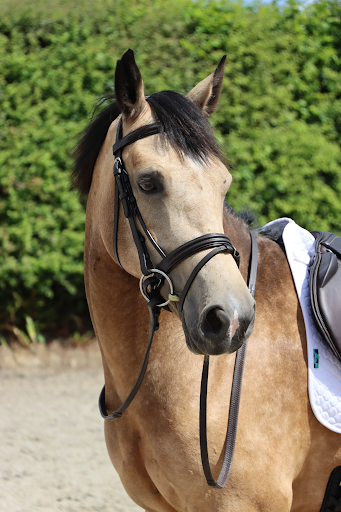
The browband sits across the horse's forehead and stops the bridle from sliding backwards. It plays no active role in how the bit works, but fit still matters.
A browband that is too short pulls the headpiece forward and down onto the back of the ears. Horses find this uncomfortable, and it is a surprisingly common cause of headshaking, resistance to bridling, and poll tension.
You should be able to fit two fingers under the browband comfortably. It should sit level across the forehead, not dipping down at one side.
Beyond function, the browband is the most visible stylistic element of the bridle anatomy. Cavaletti Collection's range includes flat leather, padded raised, patent piped, crystal, and plaited options. The choice is yours, so long as the fit is right first.
The Cheek Pieces
The cheek pieces run down either side of the face and connect the headpiece to the bit. Their job is to hold the bit at the correct height in the mouth and to transfer rein pressure from the bit upward to the headpiece.
The holes on the cheek pieces adjust in length. Most riders adjust by feel: the bit should create one or two wrinkles at the corner of the lips. Too high, and the mouth is pulled open and tight. Too low and the bit risks banging the teeth.
Quality cheek pieces matter because they flex and transfer aids cleanly. The Cavaletti Collection cheek pieces are made from Italian leather in 1/2 and 5/8-inch sizes, giving a clean, consistent feel through the rein.
The Noseband
The noseband purpose has more variation than any other part of the bridle anatomy, and it is the piece that generates most discussion about horse welfare.
Cavesson noseband
A plain cavesson sits around the nose, roughly two finger-widths below the cheekbone. Its original purpose is largely cosmetic in modern riding. It holds a martingale in place and gives the bridle a finished look.
Fit should allow two fingers underneath when fastened. Any tighter and it restricts the horse's ability to chew and move the jaw. A horse that cannot close or open their mouth freely cannot work through the back correctly.
Flash noseband
A flash noseband has a cavesson with an additional strap that fastens below the bit. The flash strap prevents the horse from crossing their jaw or opening its mouth to evade the bit.
Used correctly and fitted loosely, a flash is useful for horses who gape or evade. Used too tightly, it restricts jaw movement and creates tension rather than solving it.
As a general guide for your flash noseband, if you can see the horse's jaw muscles working under the flash strap, it is probably too tight.
Grackle noseband
A grackle, or figure-of-eight noseband, crosses over the nose above the bit and fastens below it. It prevents crossing of the jaw, opening of the mouth, and evasion through the nose simultaneously. It is popular in jumping and eventing because it gives a clear signal about bit contact without restricting the nostrils.
Drop noseband
A drop noseband fastens below the bit, acting on both the nose and the mouth. It prevents the opening of the mouth and is used in some dressage training. Fit is critical: it must sit above the nostrils at the front, and not so tight that it restricts breathing.
For a detailed look at fitting the flash noseband correctly and the welfare considerations involved, see our guide on how to fit a flash noseband.
The Bit
The bit sits in the horse's mouth, in the gap between the incisors and molars. It applies pressure to the bars, lips, tongue, and roof of the mouth, depending on its design.
The bit works with the rest of the bridle anatomy. A well-fitted headpiece and correctly adjusted cheek pieces allow the bit to sit in the right position and transfer aids cleanly. Poor bridle fit compromises even the best-chosen bit.
For a full guide to full cheek bits and snaffle selection, see our guide on full cheek bits explained.
If you are unsure whether your bridle is fitted correctly, our fitting guide walks you through the key checks, and you can find a qualified fitter near you using our locator.
The Reins
Reins carry the rein aid from the rider's hands to the bit. They are the most direct communication channel in the whole bridle, and their feel matters.
Standard leather reins
Plain leather reins are the classic choice for dressage and showing. They give a clean, direct feel and look correct in the arena. They can be slippery when wet, which is worth considering for outdoor riding and cross-country.
Rubber-grip reins
Rubber grip or rubberised reins add grip without significantly changing the feel. They are practical for jumping, hacking, and rainy British riding in general. The Cavaletti Collection half-rubber and standard rubber grip reins balance feel with function.
Laced reins
Laced reins have a weave running along their length that adds grip without the bulk of rubber. Popular for jumping and general riding. They keep their feet well in wet conditions.
Padded leather reins
Padded reins offer cushioning for sensitive hands and are a good choice for riders who find plain leather uncomfortable over longer rides.
Rein length matters as much as type. A rein that is too short puts the rider's hands in an unnatural position. Too long, and you are constantly taking up loops and losing accuracy.
Build Your Own Bridle: Why It Matters
Most bridles are sold as complete sets. You get a headpiece, browband, noseband, cheek pieces, and reins in one package. For many horses, this is fine.
But horses vary. A horse with a wide jaw and a narrow poll needs a specific headpiece. A horse competing in dressage may need a different noseband than one that hacks and jumps.
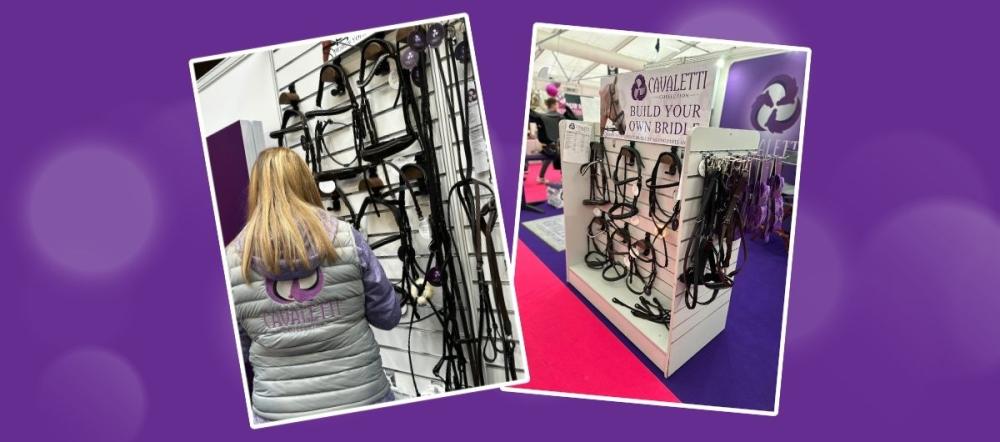
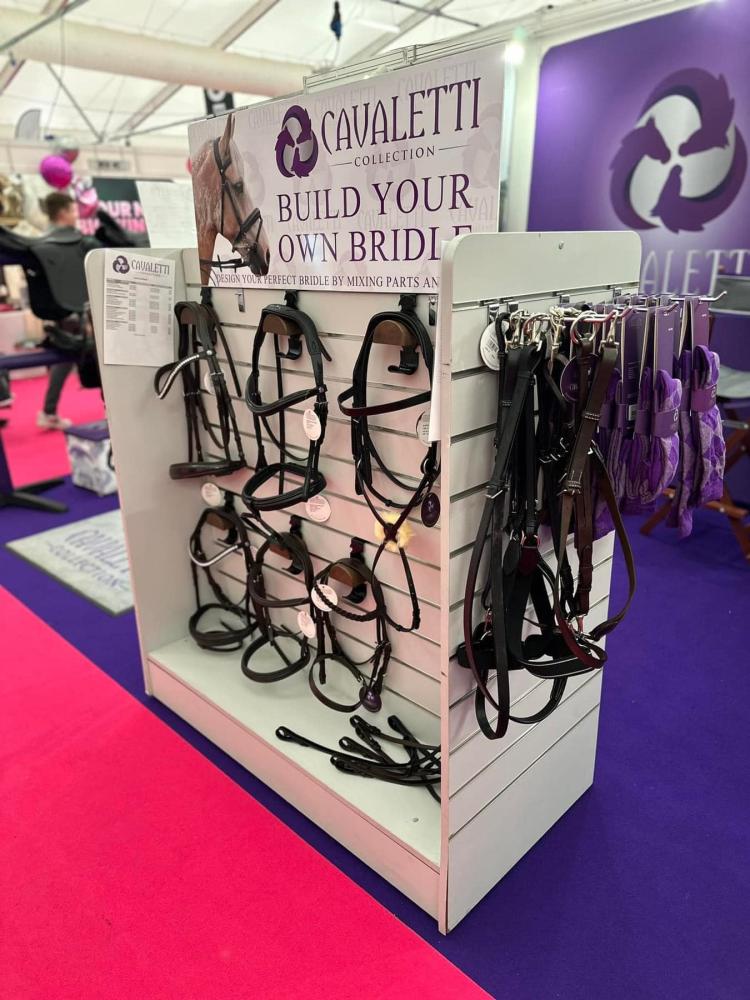
Cavaletti Collection's Build Your Own Bridle feature lets you choose each component separately so the bridle you end up with actually fits your horse, rather than being the closest standard option. You choose the headpiece, noseband, browband, cheek pieces, and reins individually.
It takes a few minutes longer to configure. The result is a bridle made for your horse, not for an average horse.
Explore the full leatherwork range, or use our 14-day trial to assess the full tack picture with a new saddle before you commit.
Recent Posts
-
Weighted stirrups: do they actually help your position?
 September 4, 2026
 -
When to Replace Your Stirrup Leathers: The Warning Signs
 August 31, 2026
 -
Black vs Brown Reins: Does Matching Your Bridle Actually Matter?
 August 28, 2026
 -
How to Choose the Right Safety Stirrups for Jumping
 August 24, 2026
 -
Stirrups, Reins and Stirrup Leathers: Getting Your Leatherwork Right
 August 19, 2026